
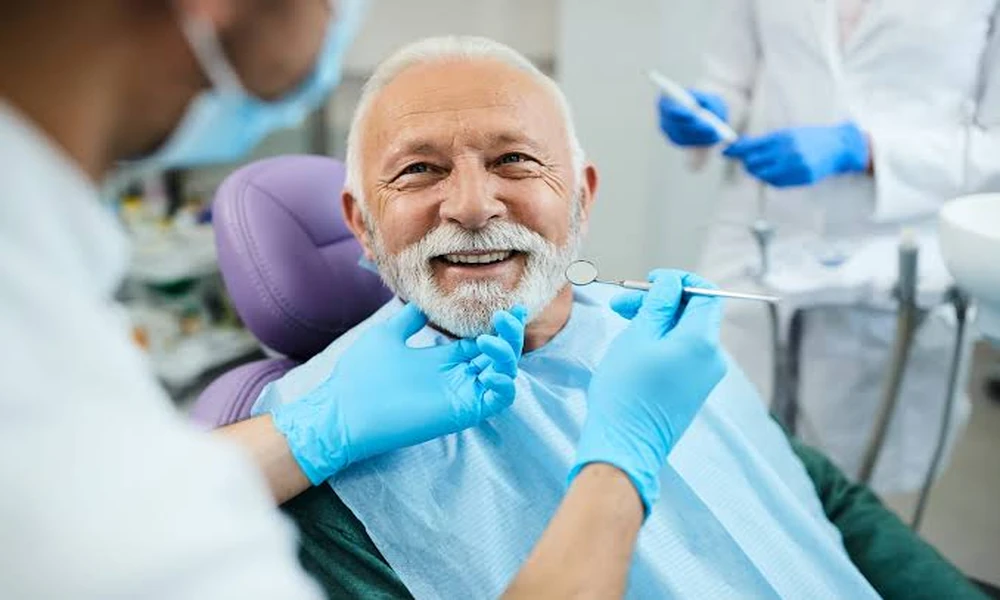

You may have noticed that oral health gets less forgiving with age. Gums pull back, teeth feel more sensitive, dry mouth shows up after starting a new medication, and a small sore spot can turn into a real problem faster than expected. If you are helping an older parent, or managing your own care, Fort Wayne family dentistry can feel like one more thing that needs attention, money, and time.
The core issue is simple. Aging changes the mouth, and those changes raise the risk of decay, gum disease, tooth loss, and trouble eating or speaking. A family dentist helps by catching problems early, building routines that fit real life, and adjusting care as health needs change. That is where How Family Dentistry Provides Preventive Solutions For Seniors becomes more than a search phrase. It becomes a practical plan for protecting comfort, health, and independence.
Family dentistry helps seniors stay ahead of common oral health problems
Preventive dental care for older adults is not only about cleanings. It is about knowing what tends to go wrong later in life and acting before it becomes painful or expensive. Seniors often face higher rates of root decay, worn fillings, gum recession, oral infections, and problems linked to dentures or partials. Chronic conditions such as diabetes and arthritis can make oral care harder, and many medicines reduce saliva, which raises cavity risk.
You might be brushing every day and still feel like your mouth is getting harder to manage. That feeling is real. A toothbrush cannot fix dry mouth caused by blood pressure medicine, and flossing does not always solve inflammation if a bridge no longer fits well. A family dentist looks at the full picture, including medical history, dexterity, diet, and signs of disease that a person at home may miss.
This is why routine visits matter. Small changes often do not hurt at first. A cavity near the gumline may look minor, but root surfaces decay faster than enamel. Mild gum bleeding can seem easy to ignore, yet untreated gum disease can lead to bone loss and loose teeth. Early care usually means simpler care.
Trusted public health guidance supports this approach. The National Institute on Aging explains the basics of taking care of your teeth and mouth as you age, including cleaning routines, denture care, and signs that need attention. The CDC also offers practical oral health tips for adults that reinforce daily prevention and regular dental visits.
Preventive family dental care for seniors reduces pain, cost, and disruption
When dental care gets delayed, the fallout often spreads beyond the mouth. A painful tooth can make chewing difficult, so meals get softer and less balanced. Poor denture fit can cause sores, which makes eating and speaking frustrating. Gum infection can make blood sugar harder to control. If memory issues are present, even a minor dental problem can spiral because the person cannot explain what hurts.
That is where a family dental practice often works well. Care stays consistent over time, records are easy to follow, and treatment can be adapted as needs change. If a senior has arthritis, the dentist may suggest easier hygiene tools. If dry mouth is severe, the plan may include more frequent cleanings, fluoride treatments, and product changes at home. If a caregiver is involved, the dentist can show them how to clean around crowns, implants, or dentures safely.
Senior preventive dental care also includes oral cancer screening, bite checks, denture evaluations, and watching for signs of grinding or fractured teeth. The National Institute of Dental and Craniofacial Research provides useful guidance for older adults and oral health, including age related concerns that often need closer monitoring.
Home care and professional dental care work best together
A lot of people hope that if they brush a little better, they can avoid the dentist altogether. That sounds reasonable, especially if cost is a concern, but it usually falls apart in practice. Home care is necessary, though it has limits. Professional care reaches what daily routines cannot.
| Approach | What It Can Help With | What It Cannot Catch or Fix Well |
|---|---|---|
| Daily brushing with fluoride toothpaste | Removes plaque, lowers cavity risk, freshens breath | Hidden decay, failing fillings, early oral cancer signs |
| Flossing or interdental cleaning | Cleans between teeth, helps reduce gum inflammation | Deep gum pockets, bone loss, areas blocked by dental work |
| Denture cleaning at home | Reduces odor, plaque, and irritation on appliances | Poor fit, pressure sores, bite changes |
| Professional exams and cleanings | Finds early problems, removes hardened buildup, updates prevention plan | Cannot replace daily home care between visits |
The best results usually come from both. Family dentistry for aging adults works because it connects everyday habits with regular monitoring. That lowers the chance of surprise infections, broken teeth, and urgent treatment.
Small, steady steps make family dentistry more effective for seniors
Schedule care around health changes
If medications changed, a chronic condition worsened, or dexterity became harder, book a dental visit sooner rather than later. A prevention plan should change when life changes. Dry mouth, new sensitivity, and denture discomfort are not minor details.
Upgrade the home routine to match current needs
Use fluoride toothpaste, a soft brush, and cleaning aids that are easier to grip if hand strength is limited. If the mouth feels dry, ask about saliva substitutes, fluoride rinses, or other products that protect exposed roots. If dentures are part of daily life, clean them every day and remove them at night unless a dentist gives different instructions.
Bring a full medication and symptom list
A family dentist can do more with accurate information. Bring all medicines, note any mouth dryness, sore spots, bleeding, trouble chewing, or changes in taste. If a caregiver attends appointments, that helps too. Clear details lead to better prevention.
Consistent family dental care supports comfort and independence
Getting older does not mean losing control of your oral health. It does mean your mouth needs a different kind of attention, one that is preventive, practical, and responsive to the realities of aging. Family dentistry for seniors helps protect teeth, gums, nutrition, speech, and day to day comfort before small issues become major ones.
If you or someone you love has started dealing with dry mouth, gum problems, denture changes, or new sensitivity, do not wait for pain to force the next step. A family dentist can help build a plan that keeps care manageable and problems smaller.