

You notice it in photos first. Maybe your teeth look darker than they used to, a front tooth has a small chip, or years of grinding have changed the shape of your smile. For some people, the concern starts in the teen years with spacing or stains. For others, it shows up later with worn enamel, missing teeth, or old dental work that no longer blends in. At Pearly Smiles Family Dentistry in Springfield, a smile changes with age, and that can feel more personal than most people expect.
The good news is that there is no single “right” age for cosmetic dental care. A skilled family and cosmetic dentist can match treatment to your stage of life, your budget, and what matters most to you. Some people want a brighter smile for a wedding or job interview. Others want to chew better, speak clearly, and stop hiding their teeth. In many cases, the best plan improves both appearance and function.
Cosmetic dentistry treatments solve different problems at different ages
Cosmetic dentistry is often treated like one thing, but it is really a group of treatments that fix different concerns. A teenager may need bonding for a chipped tooth after sports. A parent in their forties may want whitening after years of coffee and tea. An older adult may be more focused on crowns, implants, or dentures that restore comfort and confidence. The treatment should fit your life, not the other way around.
That is why a rushed approach often backfires. Whitening will not close a gap. Veneers will not fix active gum disease. An implant may be the best long term answer for a missing tooth, but only if the surrounding bone and gums are healthy enough to support it. If you have ever felt overwhelmed by all the options, that reaction makes sense. The names sound similar, but the goals are not.
Teeth whitening helps when stains make your smile look tired
Professional whitening is one of the most common ways to refresh a smile. It works well for surface stains from coffee, tea, red wine, and tobacco, and it can lift years of discoloration in a short time. The American Dental Association explains that professional tooth whitening can be effective, but the right method depends on the cause of the stain and the condition of your teeth.
Whitening is often a strong choice for adults who like the shape of their teeth and simply want them to look cleaner and brighter. It may be less helpful if you have crowns, fillings, or deep internal discoloration, since those materials do not whiten the same way natural enamel does.
Dental bonding offers a quick fix for chips, gaps, and uneven edges
Bonding uses tooth colored resin to repair small flaws. It can smooth a chipped corner, close a minor gap, or make one tooth look more even with the rest. This is often a practical option for teens and adults because it usually requires less removal of tooth structure than veneers or crowns.
If you have one tooth that catches your eye every time you look in the mirror, bonding can be a simple answer. It is not as stain resistant or as durable as porcelain, so it may need touch ups over time, especially if you bite your nails, chew ice, or grind your teeth.
Veneers create a more uniform smile when several teeth need improvement
Veneers are thin shells, often made of porcelain, that cover the front of teeth. They are used when color, shape, minor spacing, and size all need improvement at once. This is one of the most effective smile enhancement treatments for adults who want a polished, balanced look.
Veneers can look very natural, but they do require planning. Once enamel is reshaped, the process is not reversible in the usual sense. That matters if you are tempted by a dramatic before and after without thinking about maintenance, bite changes, or long term cost.
Clear aligners improve alignment without the look of metal braces
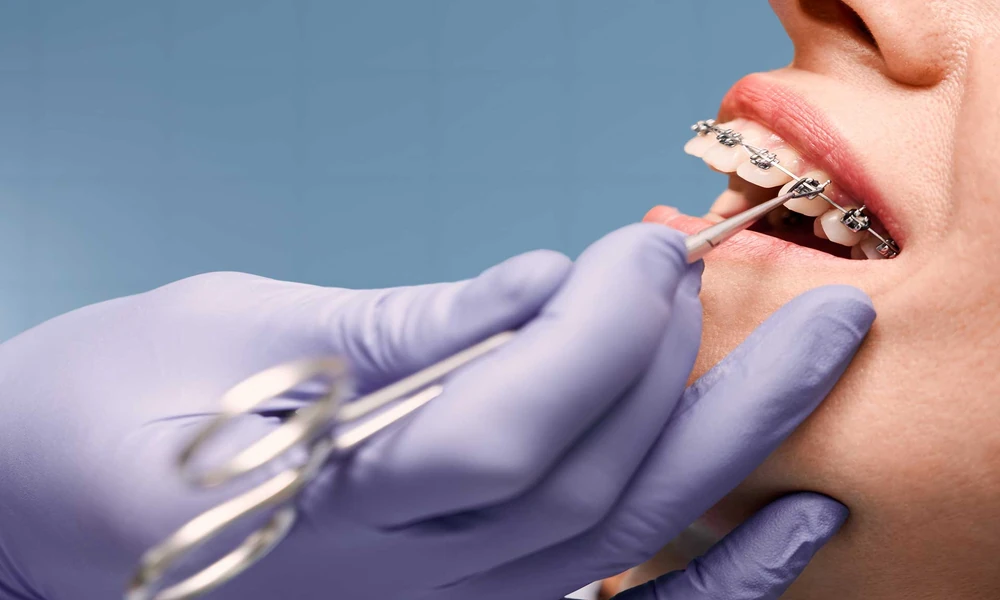
Crooked or crowded teeth affect more than appearance. They can make cleaning harder and may lead to uneven wear. Clear aligners are popular with older teens and adults because they straighten teeth with less visual impact than braces. For many people, they fit daily life more easily, though they still require discipline and regular wear.
When alignment is the main issue, straightening first can make later cosmetic work more conservative. If you place veneers or bonding on teeth that are still out of position, you may need more extensive treatment than necessary.
Crowns and implants restore smiles that have been worn down or broken
As people get older, cosmetic concerns often overlap with structural ones. Teeth crack. Old fillings fail. A missing tooth changes the way the whole smile sits. Crowns can rebuild damaged teeth and improve shape and color at the same time. Dental implants replace missing teeth in a way that feels stable and looks natural when planned well.
This is where cosmetic dental procedures become deeply practical. A restored tooth does not just look better. It can help you chew on both sides, keep nearby teeth from shifting, and make speaking feel normal again.
Dentures and partials can still look natural and support quality of life
Many people hear “cosmetic dentistry” and think only of whitening or veneers, but tooth replacement matters just as much. Modern dentures and partial dentures can be designed to support facial shape and create a more natural smile. For older adults, this can affect nutrition, speech, and self esteem. The National Institute of Dental and Craniofacial Research shares useful guidance on oral health for older adults, including the way aging can change dental needs.
| Treatment | Best For | Typical Lifespan | Main Limitation |
|---|---|---|---|
| Professional Whitening | Surface stains and dull color | Months to a few years | Does not change crowns or fillings |
| Bonding | Small chips, gaps, uneven edges | 3 to 10 years | Can stain or chip over time |
| Veneers | Color, shape, and minor spacing issues | 10 to 15 years or longer | Requires enamel removal in many cases |
| Clear Aligners | Crowding, spacing, bite issues | Results can last with retainers | Needs steady daily wear |
| Crowns and Implants | Broken or missing teeth | Many years with care | Higher cost and longer treatment time |
| Dentures or Partials | Multiple missing teeth | 5 to 10 years on average before major updates | May need adjustments as the mouth changes |
Practical steps help you choose the right cosmetic dentist treatment
Start with the reason your smile bothers you. “I want nicer teeth” is too broad. Try to narrow it down. Is it color, shape, spacing, wear, or missing teeth? That one answer often points you toward the right treatment faster than anything else.
Ask for a plan that covers health first and appearance second. A good cosmetic dentistry plan should address cavities, gum health, grinding, and bite problems before elective changes begin. If those issues are skipped, even beautiful work can fail early.
Compare short term cost against long term maintenance. The least expensive option today is not always the least expensive over ten years. Bonding may cost less upfront than veneers, but frequent repairs can change the math. Whitening may be enough if color is the only issue, which can save you from overtreatment.
If you are weighing options, the American Dental Association and MouthHealthy offer a helpful overview of ways to improve your smile, including both cosmetic and restorative choices.
Your smile does not need to look twenty years old. It needs to look healthy, natural, and like you. The best treatment is the one that fits your age, your goals, and the condition of your teeth right now. When you are ready, schedule a visit with a family and cosmetic dentist and ask for a plan that makes sense for your life.