

You catch your reflection in a restroom mirror, your phone camera, the car visor, and there it is again. Hollowing, puffiness, crepey skin, dark circles, or a tired look that does not match how you feel. Under-eye concerns can be frustrating because they sit front and center and often seem to worsen in bright light, with concealer, or with lack of sleep. At our Buffalo Grove medical wellness clinic, we understand how noticeable these concerns can feel.
The hard part is that not every under-eye issue has the same cause, and that is where people get stuck. A med spa can help with some cosmetic concerns, especially when the issue is volume loss, skin texture, or mild discoloration. A specialist matters when the problem points to anatomy, eye disease, allergy, thyroid changes, significant swelling, or a complication risk that goes beyond a routine aesthetic visit. Under eye concerns: when a med spa can help vs. when to see a specialist comes down to one thing. You need the right setting for the reason the problem is happening.
Some under eye concerns respond well to med spa treatment
A med spa is often a good fit when your concern is cosmetic and fairly straightforward. Common examples include mild tear-trough hollowing, fine lines, early skin laxity, sun-related texture, and some forms of pigmentation that are made more obvious by thin skin. If the skin under your eyes has started to look shadowed rather than swollen, volume loss may be the driver.
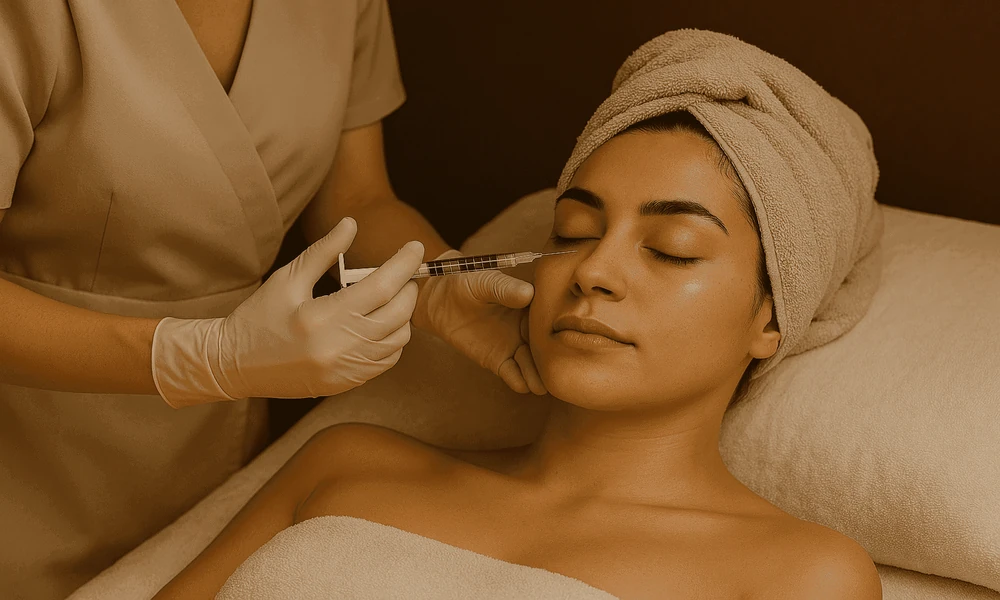
That is where treatments like carefully selected skincare, light-based treatments, microneedling, or filler may come up in the conversation. Under-eye filler can soften a hollow look, but this area is not forgiving. The skin is thin, blood vessels are close by, and poor product choice or poor placement can leave puffiness, a bluish cast, or worse. The FDA has clear guidance on dermal fillers and soft tissue fillers, and it is worth reading before you agree to treatment.
A thoughtful med spa will also slow the process down. If your under-eyes look tired because of dehydration, chronic rubbing, eczema, or poor sleep, filler is not the first answer. If your pigment is coming from visible vessels or shadowing, a cream alone may disappoint you. This is why a good assessment matters more than a quick fix.
Specialist care is the right move when the issue goes beyond cosmetics
Some signs should push you past a standard cosmetic appointment. One-sided swelling, sudden changes, pain, double vision, itching with significant irritation, a new lump, drooping, or persistent bags that seem more structural than skin-deep deserve specialist input. The same goes for a history of thyroid eye disease, prior eyelid surgery, autoimmune disease, or past filler problems.
You may also need a specialist if the under-eye problem is really an eyelid problem. Fat pad protrusion, eyelid laxity, festoons, malar edema, and true herniated lower lid fat do not behave like simple hollows. Filling that area can make it look heavier instead of fresher. If that sounds familiar, you are not imagining it. A cosmetic treatment can miss the mark when the anatomy calls for an oculoplastic surgeon, dermatologist, or ophthalmologist.
The eye area also carries higher stakes. Filler injections near the eye require careful technique because rare but serious vascular complications can happen. The American Academy of Ophthalmology’s EyeWiki outlines key issues in eyelid filler injection, including anatomy and safety concerns. If you have had filler migrate, persistent swelling, or a result that never looked right, specialist evaluation is often the safer next step.
Under eye treatment decisions depend on the cause, not just the appearance
Two people can have the same tired look for completely different reasons. One has a hollow tear trough and does well with conservative filler by an experienced injector. The other has fluid retention, allergies, and lower lid puffiness, and filler would likely add weight. One needs skin tightening and pigment support. The other needs a medical workup or surgery consult.
This is where cost and emotion creep in. You may already have spent money on creams, patches, color correctors, and treatments that promised more than they delivered. It is discouraging to keep paying for partial answers. A more useful question is not “What is the best under eye treatment?” It is “What is causing my under-eye change?” Once that is clear, the plan usually gets simpler.
How a med spa compares with specialist care for under eye issues
| Concern | Med Spa May Help | Specialist Is Better |
|---|---|---|
| Mild hollowing or shadowing | Yes, with careful assessment and conservative treatment | Yes if anatomy is complex or prior filler caused issues |
| Fine lines and crepey skin | Yes, often with skincare, microneedling, or device-based options | Yes if skin disease, severe laxity, or surgical correction is needed |
| Persistent puffiness or bags | Sometimes, if swelling is mild and trigger based | Usually, especially for fat pads, festoons, or lid laxity |
| Dark circles | Sometimes, if caused by thin skin, mild pigment, or shadowing | Yes, if caused by vascular issues, eczema, allergy, or medical conditions |
| Pain, sudden swelling, vision changes, drooping | No | Yes, prompt medical evaluation is needed |
| Past filler migration or chronic swelling after filler | No, not as a first stop | Yes, specialist review is the safer path |
The FDA also offers practical dermal filler dos and don’ts that can help you screen providers and understand risk before any injection around the eyes.
Clear next steps help you avoid the wrong treatment
1. Track what you actually see. Take photos in natural light for one week, once in the morning and once at night. Note swelling, asymmetry, itching, sleep, salt intake, allergies, and whether makeup settles into lines or shadows. Patterns show up fast, and those patterns help separate puffiness from hollowing.
2. Ask for a diagnosis, not a menu. Whether you book at a med spa or with a specialist, ask what is causing the problem. Is it pigment, volume loss, skin texture, fluid, fat pads, or lid structure? If the answer is vague, keep looking. Good under eye rejuvenation starts with a clear reason for the recommendation.
3. Treat red flags as medical, not cosmetic. Sudden changes, one-sided swelling, pain, vision symptoms, a new lump, and persistent post-filler swelling belong with a qualified specialist. Waiting too long can turn a fixable problem into a longer one.
The right care path protects both your eyes and your results
You do not need to guess your way through this. Some under-eye concerns improve beautifully in a med spa setting. Others need a specialist from the start, and choosing that route is not overreacting. It is smart. The goal is not just a fresher look. It is getting the right treatment for the real problem, with as little risk and wasted money as possible.
If you are considering a med spa for under-eye concerns, start with a careful consultation and do not be afraid to pause if the recommendation feels too fast. A good plan should make sense to you before anything touches the skin.