
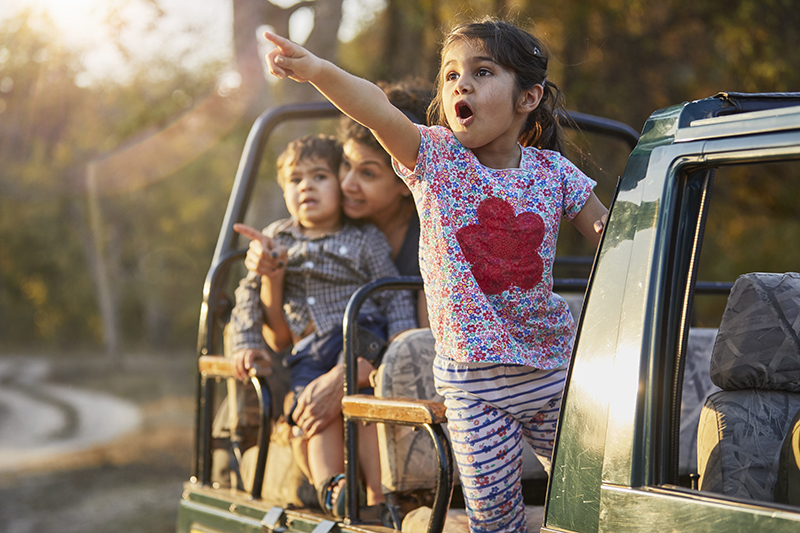

Wildlife parks provide interactive learning experiences that reinforce what children learn in the classroom. If you want a hands-on, fun, and informative learning activity for your child, a visit to a wildlife park like Yellowstone Bear World can improve their knowledge about science and wildlife conservation. This type of visit helps your child learn about animals, their habitats, and conversation. The following are the benefits that your child can gain when they visit a wildlife park:
Emotional and Intellectual Connections
Those who visit wildlife parks will have emotional and intellectual connections with animals there. Children, in particular, can talk directly to park personnel about the animals they encounter. This allows them to better understand why conversation is important and their role in conversation efforts. By creating this environmental awareness in your child, you contribute to ensuring community-wide efforts to reduce harm to wildlife habitats.
Sensitivity and Discipline
In addition, wildlife park visits can foster discipline and sensitivity as children are up close to nature. As your child understands that animals are living creatures, they can develop sensitivity towards the environment. Also, they can understand that as with humans, animals have emotions. Empathizing with animals provides your child with a sensitive mindset toward other creatures.
Your child learns discipline by making sure they adhere to the park’s rules and regulations. To keep visitors safe at the park, they should comply with directions like not feeding animals or leaving trash around the premises. In addition, a sense of respect and fear for nature can be imparted. Your child can learn how to properly behave when they encounter animals, especially dangerous ones like spiders, snakes, and even bears.
Finding Opportunities for Hands-on Learning
A visit to a wildlife park allows for hands-on learning. While your child is young, they can absorb knowledge by seeing and touching the things they are learning about. Find a wildlife park that provides certain educational programs where children can interact with the animals while they learn about them. find interaction and feeding stations around the park where your child can immerse themselves with nature and animals. At the same time, your child learns about such animals and their everyday lives from the park keepers.
A lot of parks also provide various learning activities and programs that include story time, animal-related craft workshops, and singing sessions. Such activities will engage with your child in a multi-sensory and interactive way.
Self-Awareness
Your child’s ability to be self-aware is an important factor in their development. Self-awareness is key to personal growth, interpersonal skills, and social skills. When your child visits a wildlife park, they push their boundaries while they explore new experiences and environments while being in a controlled and safe space. As they walk around the park and encounter animals for the first time, they will feel fear as they approach certain animals. This helps them overcome their fears and learn about ways to keep themselves safe and respect other living beings from the wild.
Improved Brainpower
Exercise and fresh air play an important role in your child’s development, both physically and mentally. As your child runs around at the park and looks for animals excitedly, their brain gets plenty of oxygen. This leads to increased brainpower. A lot of wildlife parks have playgrounds, miles of walking paths, and climbing structures that can safely allow your child to go openly explore the space.
Improved Learning Outcomes
Engaging your child’s senses can improve their learning outcomes. Wildlife parks are the best environment for this. Your child can see, smell, hear, and tough animals. This allows them to remember their experiences better than when they were only told about those animals. Also, they remember the sensory experience of exploring the habitats of animals.