
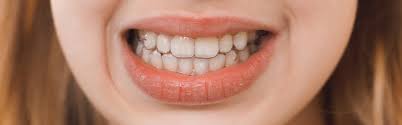

A sore jaw, a dull headache, or sudden sensitivity in teeth, many of us feel such issues when we wake up. Yet, somehow, we choose to ignore them. We continue with our day, letting the feelings subside. But, that’s temporary. The issues continue and we only start taking notice once there is bigger damage. Think chipped teeth or misalignment that wasn’t initially there. That’s when we panic.
And once we rush to the dentist, we find out that we were the culprit all along, grinding our teeth, especially during sleep. This condition is called bruxism. While many don’t consider it a big deal, it can quietly lead to serious oral damage.
So, today, let’s break down what bruxism really is. Explore the problems it causes and smart ways to fix the damage.
What Exactly Is Bruxism?
Bruxism is the unconscious grinding or clenching of teeth. While it can happen during the day, it’s most common at night. When you’re fast asleep and totally unaware. And why does it happen? Stress and anxiety are considered the biggest culprits. But other factors play a role too. Like sleep disorders or even certain medications.
The Hidden Consequences of Bruxism
Clenching or grinding your teeth isn’t just noisy or uncomfortable. It’s damaging. Over time, it can lead to:
- Enamel wear and fractures: Constant pressure chips away at your tooth structure.
- Increased sensitivity: Thinner enamel means more sensitivity to hot, cold, and even sweet foods.
- Jaw pain and headaches: The tension often radiates through your jaw, temples, and even your neck.
- Gum irritation: Grinding can inflame tissues, leaving gums sore or receding.
- Teeth shifting and bite issues: The repeated force can actually move your teeth out of place, leading to misalignment.
That last point is especially tricky. Misalignment isn’t just a cosmetic issue. It can affect chewing, speech, and even make bruxism worse in a frustrating cycle.
The First Line of Defence: Night Guards
The good news? You don’t have to let bruxism wreck your smile. There’s a solution, and it’s considered one of the most effective. And it is called a night guard.
So, how does a night guard work? Pretty much how every protective gear works. A night guard cushions between your upper and lower teeth. Instead of enamel grinding against enamel, the guard absorbs the pressure, protecting your teeth while you sleep. Now, you might be wondering: How can anyone sleep with a “device” in their mouth?
You see, modern night guards aren’t bulky. Quite unlike the uncomfortable contraptions people imagine. Moreover, today we have hybrid night guards as well. They are designed to be durable enough to handle clenching, yet slim enough to feel comfortable.
A good example is Caspersmile’s hybrid night guard. It combines durability with wearability, thus allowing wearers to sleep without any worries.
Overall, by wearing a night guard consistently, you can prevent further wear and tear. Thus, stopping misalignment or chipped teeth from getting worse.
When Bruxism Has Already Shifted Your Smile
But what if the damage is already done? For some people, years of clenching and grinding have nudged their teeth out of position.
That’s where clear aligners come in. These custom-made, nearly invisible trays gently move your teeth back where they belong. Beyond restoring your smile’s appearance, they also correct bite problems. This, in turn, can reduce the strain that worsens bruxism in the first place.
The best part? Clear aligners today are accessible, affordable, and don’t require endless dentist visits. The best invisible braces let you straighten teeth at home while staying discreet and comfortable.
If bruxism has shifted your teeth, aligners give you a second chance at alignment without the hassle of traditional braces.
What If Bruxism Has Already Chipped Your Teeth?
Sometimes the effects of bruxism are visible. Think small chips, cracks, or worn-down edges. These change the way your teeth look and feel. If that’s your case, don’t panic. There are dental solutions that can restore both function and appearance:
- Bonding: Minor chips can often be fixed with tooth-colored resin.
- Veneers: For more significant wear, veneers provide a cosmetic cover-up that also protects the underlying tooth.
- Crowns: Severely damaged teeth may need crowns to restore strength and shape.
Of course, fixing chips without addressing the grinding means you’ll be right back where you started. That’s why combining restorative dental work with a protective night guard is the smartest approach. You repair the damage and prevent new issues.
Smart Daily Habits to Manage Bruxism
Besides night guards, aligners, and veneers, there are a few daily habits that can also help you address the causes of bruxism. Here’s a breakdown:
- Stress management: Try any destressing exercises. Mindfulness, yoga, or even a short daily walk. Whatever works for you. After all, stress is one of the most common triggers for bruxism.
- Cut back on stimulants: This might come as a surprise but coffee and nicotine can make grinding worse. Especially if consumed late in the day.
- Better sleep hygiene: Try a consistent bedtime, screen-free wind-down routine, and avoid alcohol before bed. These can support healthier sleep, in turn helping reduce bruxism.
- Jaw relaxation: Keep a check on your jaw throughout the day. If you catch yourself clenching, just gently rest your tongue between your teeth to break the habit.
- Dental check-ups: With regular visits, your dentist can spot bruxism early and suggest solutions before major damage occurs.
Wrap Up
Bruxism is the most common, yet quiet culprit of enamel wear, jaw pain, and even a misaligned bite. And unfortunately, many people accept it as their “ normal .” However, that shouldn’t be the case. While bruxism itself might be difficult to treat, you can always use a night guard to cut down any damage from bruxism.
That said, what if bruxism has already caused the damage? Well, there’s still nothing to worry about. If it has misaligned your teeth, then clear aligners can solve them pretty easily and effectively. If bruxism has chipped your teeth, veneers come to the rescue, restoring your smile.
Overall, with the right dental appliances and a few healthy habits, you can stop bruxism from impacting your smile, keeping it vibrant and healthy.