
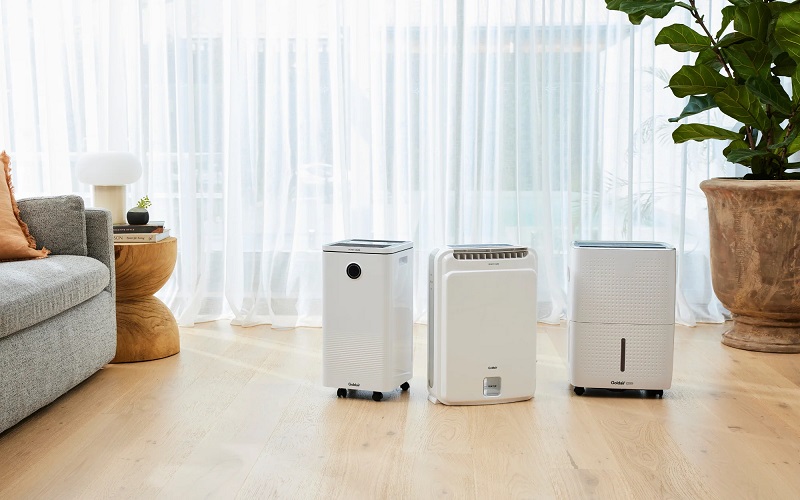

Mold can hide in quiet corners. It thrives where moisture stays long. Many homeowners ignore small leaks or damp spaces. Over time, these spots turn into health risks. Mold spores can affect breathing and damage walls. This makes controlling humidity a critical task. Using the best dehumidifiers for mold can prevent growth before it spreads. Homes with steel farm buildings also face condensation challenges. Understanding where mold hides is the first step. Then selecting the right dehumidifier becomes essential. This guide helps identify damp hotspots and shows how to deploy dehumidifiers effectively for safer living.
Spotting Common Mold Areas
Basements often stay dark and damp. Bathrooms see steam from showers daily. Laundry rooms have constant water exposure. Crawl spaces may trap moisture under the home. Attics can retain water after roof leaks. These spaces rarely get sunlight. Mold can develop quickly in hidden corners. Sometimes small leaks cause extensive damage unnoticed. Wood, drywall, and fabric absorb moisture easily. Homes with steel farm buildings also suffer from condensation under certain conditions. Checking these areas regularly helps catch mold early. This simple inspection prevents long-term health hazards. Identifying these hotspots is a crucial first step.
Measuring Humidity Levels
Humidity above fifty percent encourages mold growth. Simple meters can monitor room moisture. Digital hygrometers show readings clearly. Sometimes daily monitoring is necessary in damp seasons. Bathrooms and basements need extra attention. Crawl spaces often show hidden moisture spikes. Attics can be surprisingly humid after storms. Using a meter helps track changes over time. Knowing exact levels guides where dehumidifiers should go. This ensures equipment works efficiently without wasting energy. Optimal humidity control keeps mold from starting. Regular measurement is key for prevention.
Optimal Dehumidifier Placement
Dehumidifiers work best in central spots. Basements and laundry rooms are ideal. Bathrooms require compact units near vents. Crawl spaces need units with airflow circulation. Attics benefit from portable units placed near leaks. Sometimes units should run continuously in humid seasons. Steel farm buildings often need multiple devices for coverage. Placement affects efficiency more than device size. Units must pull air from the dampest zones. Continuous airflow prevents moisture pockets. This improves overall home health naturally. Proper placement maximizes the effectiveness of dehumidifiers.
Conclusion
Controlling home humidity protects health effectively. Identifying basements, bathrooms, attics, and crawl spaces is vital. Measuring moisture guides proper dehumidifier use. Placement in central zones enhances performance naturally. Addressing leaks and dampness ensures long-term safety. Even steel farm buildings benefit from careful monitoring. The best dehumidifiers for mold complement repair efforts perfectly. Homes become healthier when dampness is tackled fully. Mold prevention starts with awareness and action. Maintaining dry, ventilated spaces is key for everyone.