

You might be feeling a mix of worry and confusion right now. Maybe you lost a tooth months or even years ago, and only recently did someone mention that your jawbone can shrink over time. Or you were told you are “losing bone” and suddenly the mirror looks different. Your face seems a little more sunken, your denture feels loose, and you wonder how much worse it can get. An oral surgeon in Des Plaines, IL can evaluate your situation and explain your options.
That fear is very real. Tooth loss is not just about the gap you see when you smile. It affects how you chew, how your face is shaped, and how confident you feel in social situations. On top of that, you might be hearing different opinions about dentures, bridges, and implants, and it can feel like you are being pushed to decide fast, even though you still have questions.
Here is the core idea. When a tooth is lost, the jawbone that used to support it starts to shrink because it is no longer being used. Dental implants are designed to act like artificial tooth roots, so they help keep that bone active and strong. How implant dentistry helps prevent bone loss in the jaw is by restoring both function and stimulation to the bone, so it has a reason to stay.
So where does that leave you? You do not need to rush, but you do deserve clear information and a calm path forward. Understanding what is happening in your jaw, and what implants can and cannot do, is the first step toward making a choice that feels right for you.
What is actually happening to your jawbone after tooth loss?
It often starts quietly. You lose a tooth from decay, gum disease, or an injury. At first, you might just think about filling the space for appearance. Then months pass and you notice your bite feels different, or food gets stuck more easily, or your denture needs more glue than before. This is not your imagination. It is your jawbone changing shape.
Your jawbone depends on the pressure and stimulation from teeth when you bite and chew. When a tooth is gone, the bone in that area no longer gets that daily signal to stay strong. The body responds by slowly breaking down that unused bone and “recycling” it. This is called bone resorption. It can start within a few months of losing a tooth and continue for years.
Emotionally, that can feel unfair. You already lost a tooth. Now you are told your face shape and jaw are at risk too. You might worry about looking older than you feel, or about whether you will be able to eat the foods you enjoy in the future. That worry can make it tempting to avoid decisions altogether. Yet doing nothing is often what allows the bone loss to progress.
So what could help interrupt that cycle, and not just cover up the gap, but actually support your jawbone?
How do dental implants help protect your jawbone?
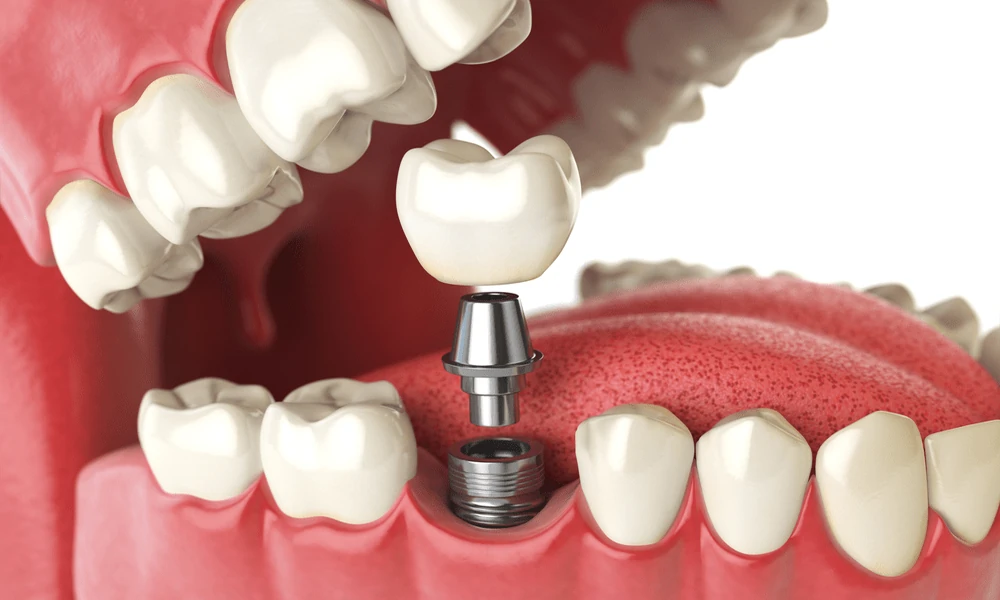
Dental implants are small posts, usually made of titanium, that are placed into your jawbone where the tooth root used to be. Over time, the bone grows and fuses around the implant in a process called osseointegration. This fusion is what allows an implant to act like a stable, artificial root for a crown, bridge, or denture.
Because the implant sits in the bone and carries chewing forces, it sends the same kind of “use it” signals that a natural tooth root would. That is the key to preventing jawbone loss with dental implants. The bone is being used and stressed in a healthy way, so your body has a reason to maintain it rather than break it down.
Compare this with a traditional denture that rests on top of your gums. The denture can help you chew and smile, but it does not replace the root inside the bone. In fact, the pressure on the surface of the bone can speed up bone loss over time. This can lead to loose dentures, sore spots, and a more “collapsed” facial appearance.
If you want to understand some of the science and safety background, you can review the U.S. Food and Drug Administration’s information on what you should know about dental implants. It explains how implants are evaluated, what they are made of, and general expectations around their use.
You might now be wondering about the bigger picture. Is implant treatment only about looks, or does it affect your long term oral health, your comfort, and your budget too?
What challenges should you be honest about before choosing implants?
There is no perfect solution for every person. Dental implants offer strong benefits for bone preservation and stability, but they also come with real considerations that deserve honesty.
Financially, implants usually cost more upfront than a removable denture or a traditional bridge. That can feel overwhelming. At the same time, you may need to weigh that cost against repeated denture relines, replacements, and the impact of ongoing bone loss if the root is never replaced.
Medically, you may need some preparation before implants are even possible. If you have already lost significant bone, your Oral Surgeon And Implant Dentist might recommend bone grafting to rebuild volume. You may also need to review conditions such as diabetes, smoking, or certain medications, since they can affect healing. A good provider will walk you through all of this, not rush you.
Emotionally, there is the fear of surgery. Even if the procedure is routine for the surgeon, it is not routine for you. You might imagine pain, complications, or long recovery. It can help to know that many patients describe pressure and soreness rather than sharp pain, and that most return to normal activities quickly, but your fear still deserves respect and patient explanation.
If you are interested in some deeper medical background, the National Center for Biotechnology Information maintains a detailed overview of dental implant anatomy and considerations, which your provider may also use for reference.
So how do implants compare with other options when you focus specifically on bone health, comfort, and long term stability?
How do implants compare with other tooth replacement options?
The table below outlines some practical differences between a single implant, a traditional bridge, and a removable partial denture. Every mouth is different, but these general patterns can help you frame your questions.
| Option | Effect on Jawbone | Impact on Neighboring Teeth | Stability and Comfort | Typical Longevity with Care |
|---|---|---|---|---|
| Single Dental Implant | Helps preserve bone by replacing the root and stimulating the jaw | Does not require grinding down neighboring teeth | Feels closest to a natural tooth, usually very stable | Many last 10-20 years or longer |
| Traditional Fixed Bridge | Does not prevent bone loss under the missing tooth area | Requires reshaping adjacent teeth for crowns | Generally stable but can be harder to clean under the bridge | Often 7-15 years before repair or replacement |
| Removable Partial Denture | Does not replace roots. Bone loss usually continues over time | Clasp pressure can stress supporting teeth | Can move slightly. May need adhesives or adjustments | May need relines or replacement every few years |
None of these options are “wrong.” The question is which one best fits your mouth, your health, your budget, and your goals. For many people, dental implant treatment offers the most balanced way to protect bone, support chewing, and preserve facial structure, but it must be evaluated case by case.
What can you do now if you are worried about jawbone loss?
You do not need to have everything figured out before you act. There are a few clear steps that can move you from worry to informed choice.
1. Schedule a focused evaluation of your bone and gums
Ask for a consultation that specifically looks at your jawbone. This usually involves a clinical exam and imaging, such as a panoramic X ray or a 3D cone beam scan. The goal is to see how much bone height and width you still have, and whether any active gum disease needs attention first.
During that visit, ask direct questions. How much bone have I already lost in this area. What happens if I wait another year. Could I still be a candidate for implants later, or would I likely need bone grafting. Clear answers will help you feel more in control.
2. Compare treatment paths with total cost and time in mind
When you receive options, ask for both the short term and long term picture. For example, what is the cost and healing time for an implant now, versus a bridge or denture now and possible bone grafting or more complex treatment later. Ask about maintenance too. How often might each option need repair, adjustment, or replacement.
It can help to write this down or even ask for a simple printed summary. Sometimes the “cheaper” option today becomes more expensive over ten years when you add relines, remakes, or the impact of ongoing bone loss that makes future treatment more complex.
3. Take care of the bone and teeth you still have
Even while you are deciding about implants, you can protect your remaining bone and teeth. Keep regular cleanings. Treat gum disease promptly. Manage conditions like diabetes, since they affect healing and bone. If you smoke, consider support to cut down or quit, because smoking can reduce blood flow to the bone and increase implant risk.
Daily habits matter. Good brushing, flossing, and any special tools your provider recommends for implants or bridges can help you keep what you have for longer. Over time, these small steps add up to a mouth that is healthier, more comfortable, and easier to restore.
Moving forward with more clarity and less fear
You are not “behind” or too late just because you are only now learning about bone loss in your jaw. Many people do not hear about this until years after tooth loss. What matters is that you are paying attention now and looking for answers.
Implant dentistry offers a powerful way to support your jawbone, restore your bite, and protect your facial structure, but it is not about chasing perfection. It is about finding a steady, realistic plan that fits your life. With the right guidance from an experienced oral surgeon and implant dentist, you can understand your bone health, explore your choices, and move step by step toward a solution that feels right, not forced.
You deserve to chew comfortably, speak clearly, and recognize your own face in the mirror. The next move is simply to start a conversation with a trusted provider who will listen first, explain clearly, and plan with you, not just for you.