
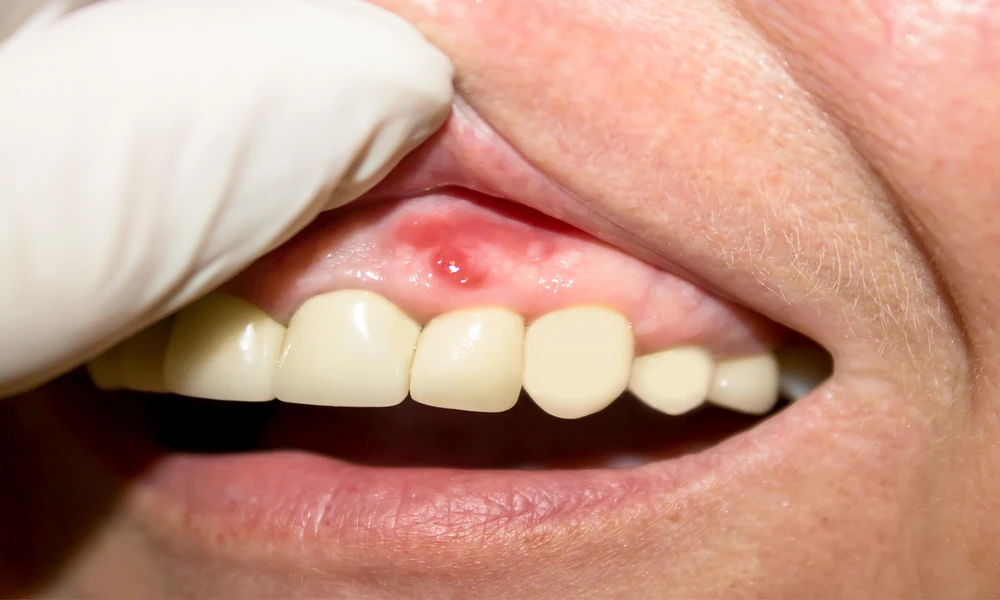

You might have noticed it while brushing, flossing, or biting down. One spot in your mouth feels sore, and it is not your whole gumline, just the gum around one tooth. That kind of pain can be easy to dismiss at first, but once it keeps coming back, it can start to wear on you. You may wonder if it is something minor, or if it means a bigger dental problem is starting. If that sounds familiar, visiting a local dentist in Tallahassee, FL can help you find out what is causing the discomfort.
If you are dealing with pain around one tooth, the short answer is this. Localized gum tenderness often comes from irritation, infection, injury, decay, or pressure. Some causes improve with better cleaning and time, while others need prompt care from a general dentist. Knowing the likely reason can help you act before a small issue becomes a painful one.
Why would the gum around just one tooth hurt?
When soreness is limited to one area, it usually points to a local problem instead of a whole mouth condition. That can be helpful, but it also means the cause may be tucked into a spot that is easy to miss. A seed hull, a rough edge on a filling, a pocket of bacteria, or even a cracked tooth can irritate the gum in a very focused way. Because of that, the pain may feel confusing. The tooth may seem fine, yet the gum is clearly not.
So, what are the most common reasons?
Could food or brushing trauma be causing localized gum pain?
One of the simplest causes is irritation from something stuck between the teeth or under the gumline. Popcorn husks, chips, and fibrous meat can all press into the gum and leave it tender for hours or even days. In the same way, aggressive brushing or snapping floss hard against the gum can create a small injury.
This type of tenderness often feels sharp or sore in one exact spot. The gum may look a little red or puffy, and it may bleed when you brush. If the irritation is mild, gentle cleaning and warm salt water rinses may help. But if the pain lingers, or if you cannot see what is causing it, a dentist can safely check the area without making it worse.
Is a gum infection or abscess starting around that tooth?
Sometimes the issue is not simple irritation but infection. A gum abscess can form when bacteria collect in a pocket beside the tooth. This can happen if plaque and tartar build up below the gumline, which is one reason gum disease should never be ignored. You may notice swelling, throbbing, a bad taste, or tenderness when you press on the gum.
This is where stress tends to rise, and for good reason. An untreated infection can spread and become more painful. According to MedlinePlus information on tooth abscess, signs can include severe toothache, gum redness, swelling, and sensitivity to pressure. If you have facial swelling, fever, or pus, that calls for prompt dental care.
Can tooth decay make the gum around one tooth sore?
Yes, it can, even if the pain seems to be in the gum rather than the tooth itself. Decay near the gumline can irritate the surrounding tissue. If a cavity gets deeper, the tooth can become inflamed or infected, and that pain may spread to the gum. In some cases, the tooth feels tender when chewing, and the gum nearby becomes sore as the area reacts.
Many people do not connect cavities with gum pain, which is why this one often gets missed. The National Institute of Dental and Craniofacial Research explains tooth decay as damage caused by bacteria and acids that break down tooth structure over time. If the decay sits near one side of the tooth, it can lead to very focused discomfort.
What if the tooth is cracked, loose, or under pressure?
A single tender gum area can also point to pressure from the tooth itself. A crack, a bite that lands too hard on one tooth, teeth grinding, or a loose dental crown can all irritate the ligament and gum around that tooth. You may feel soreness when chewing, or a dull ache that comes and goes.
This can be tricky because the gum may not look dramatic, yet the pain is real. If you recently bit into something hard, had dental work done, or wake up clenching your jaw, that detail matters. A sore gum around one tooth may be the first clue that the tooth is taking more force than it should.
Could a canker sore or irritation from dental work be the reason?
Not every painful spot is a gum disease problem. Sometimes the tenderness comes from a canker sore, a nearby cheek bite, or irritation after a filling, crown, or deep cleaning. Dental appliances and rough tooth edges can also rub the tissue and create a raw spot that feels like gum pain.
If the area looks white, yellow, or ulcerated, or if the pain is more on the soft tissue than the tooth, this may be the cause. Still, if it does not improve within a week or two, it is wise to get it checked. A lingering tender gum near one tooth deserves a closer look.
When can you watch it, and when should a general dentist step in?
It helps to know what is reasonable to monitor at home and what should not wait.
| Possible Cause | Common Signs | Can You Watch It Briefly? | When to See a General Dentist |
|---|---|---|---|
| Food trapped or minor brushing injury | Sharp soreness, mild redness, brief bleeding | Yes, 1 to 2 days | If pain persists, swelling starts, or you cannot clean the area |
| Gum infection or abscess | Swelling, throbbing, bad taste, pus, pressure pain | No | As soon as possible |
| Decay near the gumline | Sensitivity, chewing pain, gum soreness in one spot | Briefly, but do not delay long | Within a few days |
| Cracked tooth or bite pressure | Pain when biting, ache that comes and goes | Not for long | Soon, especially if chewing hurts |
| Canker sore or tissue irritation | Raw spot, ulcer, pain on soft tissue | Yes, up to 1 to 2 weeks if improving | If it worsens or does not heal |
What can you do right now if one gum area hurts?
1. Clean the area gently. Brush with a soft toothbrush, floss carefully, and rinse with warm salt water. Do not dig into the gum with sharp tools, because that can push debris deeper or cause more injury.
2. Pay attention to patterns. Notice whether the pain happens when chewing, after flossing, or all the time. Look for swelling, bleeding, a bad taste, or a visible sore. These details can help identify the cause of gum tenderness around a single tooth.
3. Do not wait on warning signs. If you have swelling, pus, fever, strong pain, or pain that lasts more than a couple of days, schedule a visit with a general dentist. Fast care can often prevent a more serious infection or a more costly treatment later.
Where does that leave you now?
If the gum around one tooth is tender, you are not overreacting by paying attention to it. Sometimes the cause is small and settles down quickly. Sometimes it is your mouth asking for help before the problem grows. Either way, it is worth taking seriously.
A careful exam from a general dentist can sort out whether you are dealing with trapped debris, a cavity, a bite issue, or an infection. When one spot keeps hurting, getting clear answers is often the quickest path to relief.